

| Age range | Foster Grant example | Why it fits |
|---|---|---|
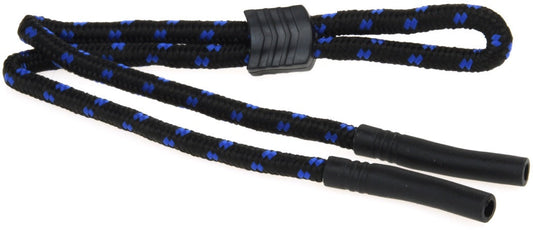
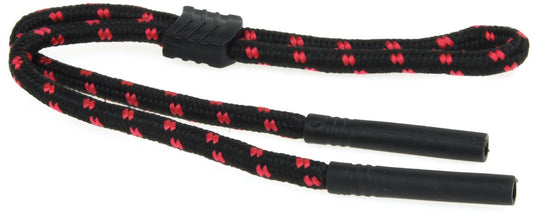
| Ages 0-1 (baby) | Felix baby goggles (around $9.60) | A rubberized frame with an adjustable neoprene strap that stays put on a wriggly baby |
| Ages 1-3 (toddler) | Nile and Maggie (from $9.60 | Toddler sunglasses in soft, smooth-to-the-touch thermoplastic rubber that flexes instead of digging in |
| Ages 3+ (young child) | Mia, Diego, Rory, and Jaxon (from $10.80) | Grown-up shapes — round, aviator, two-tone — scaled down for smaller faces |
| Ages 6+ (older kids) | Monkey Monkey Bora Bora and Tahiti (around $18) | Made with 50% recycled plastic (mass balance), with polarized lenses for water and glare |
Style is ultimately what closes the deal for most children at the shop. The Rawr Some dinosaur frames and the You Are Magic unicorn pair exist for exactly one reason. A child who chooses their own sunglasses is the child who keeps them on.
Polarized, Mirrored, or Recycled? Lens and Frame Choices
Once protection and fit are settled, the lens itself becomes the fun part of the decision. Polarized lenses contain a specialized filter that reduces the harsh glare off water, sand, and snow. That glare is worst exactly where children spend their brightest days, from pool to ski slope. The Monkey Monkey Bora Bora and Cancun styles use polarized sunglasses lenses to reduce it. They still deliver the complete 100% UVA-UVB protection every child needs outdoors.
Mirrored lenses achieve a similar result with considerably more personality on a sunny afternoon. The orange mirrored pair on Jaxon and the blue mirror on Rawr Some both reduce bright glare. Materials matter too, so the Monkey Monkey frames are made with 50% recycled plastic (recycled content is calculated by mass balance). And for a softer appearance, the You Are Magic style uses smoke-to-pink gradient lenses.
Screen Time, Too? Kids' Blue Light Glasses
When you're the parent of a screen-loving child, blue light is understandably on your mind. Here's the thing about it: the biggest source is not screens at all — it is sunlight. Sunlight reaches your child with blue-violet light (400 to 455nm, as stated by ISO TR 20772:2018). [3] That remains true even indoors, streaming through an ordinary window on a bright afternoon. Digital devices simply add a smaller, artificial dose on top of all that daylight.
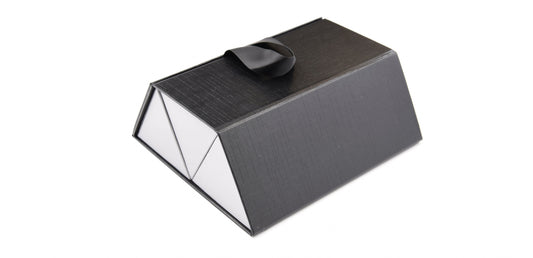
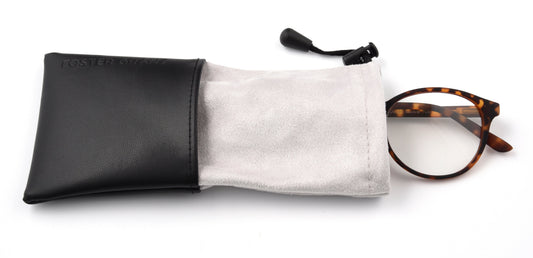
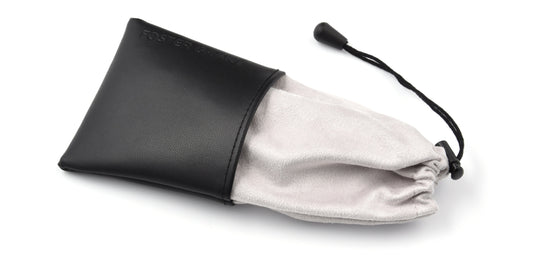
Foster Grant's Naz kids' blue light glasses cost around $18 with a matching drawstring case. They come in a comfortable way-style frame (a relaxed, classic shape) in plenty of kid-friendly colors. The lenses help filter that blue-violet light from both the sun and the screen. Plenty of parents simply appreciate them for comfort across long, bright days. That is the honest positioning here, not a medical promise, and we will leave it there. If screens fill your child's afternoons, Foster Grant offers a small range of kids' blue light glasses too.
Keeping Them On, and in One Piece
We've all watched a beloved pair disappear into the sand within the very first hour. The best kids' sunglasses are simply the ones your child willingly keeps on their face. They are also the ones you can find again after a chaotic beach day. For babies, the Felix strap does that job by holding the goggles securely in place. For toddlers, establish the sunglasses habit early so wearing them feels completely normal.
Maintenance is where a little practical know-how pays off across a long summer. When sand or salt water dries on a lens, rinse it with fresh water beforehand. Dry grit dragged across the surface is how scratches begin, even on scratch-resistant coatings. Afterward, store the pair in its case rather than loose in a crowded beach bag. Because a replacement rarely runs more than $30, keeping a spare pair in the car is an easy call.
The Bottom Line
Kids sunglasses earn their place the moment your child steps into strong sunlight. The underlying math is refreshingly simple, and it comes down to just three essentials. Look for 100% UVA-UVB protection, a frame that fits their age, and a durable lens. Foster Grant has been perfecting that balance since 1929, decade after reliable decade. Its collection covers every stage, from the strapped Felix baby goggles to polarized Monkey Monkey styles. Browse the complete range of kids sunglasses and let your child choose their favorite pair.
Sources
[1] American Academy of Ophthalmology — parents should begin proper eye protection for children early.
[2] American Optometric Association — a young child's lens is clearer than an adult's, so more ultraviolet light reaches the retina.
[3] ISO TR 20772:2018 — blue-violet light is defined as the 400 to 455nm band of the spectrum.


